The Bear Facts campaign corrects misperceptions by sharing accurate data on student beliefs and experiences, so you have the facts.
Research shows that students typically underestimate healthy behaviors and overestimate others. Since what we think is “typical” has an influence on our own choices, these misconceptions could lead students to engage in riskier behaviors to fit in or leave them feeling isolated in their actual beliefs or behaviors. The Bear Facts campaign corrects misperceptions by sharing accurate data on student beliefs and experiences, so you have the facts.
Explore all of The Bear Facts, additional information, and FAQs below.
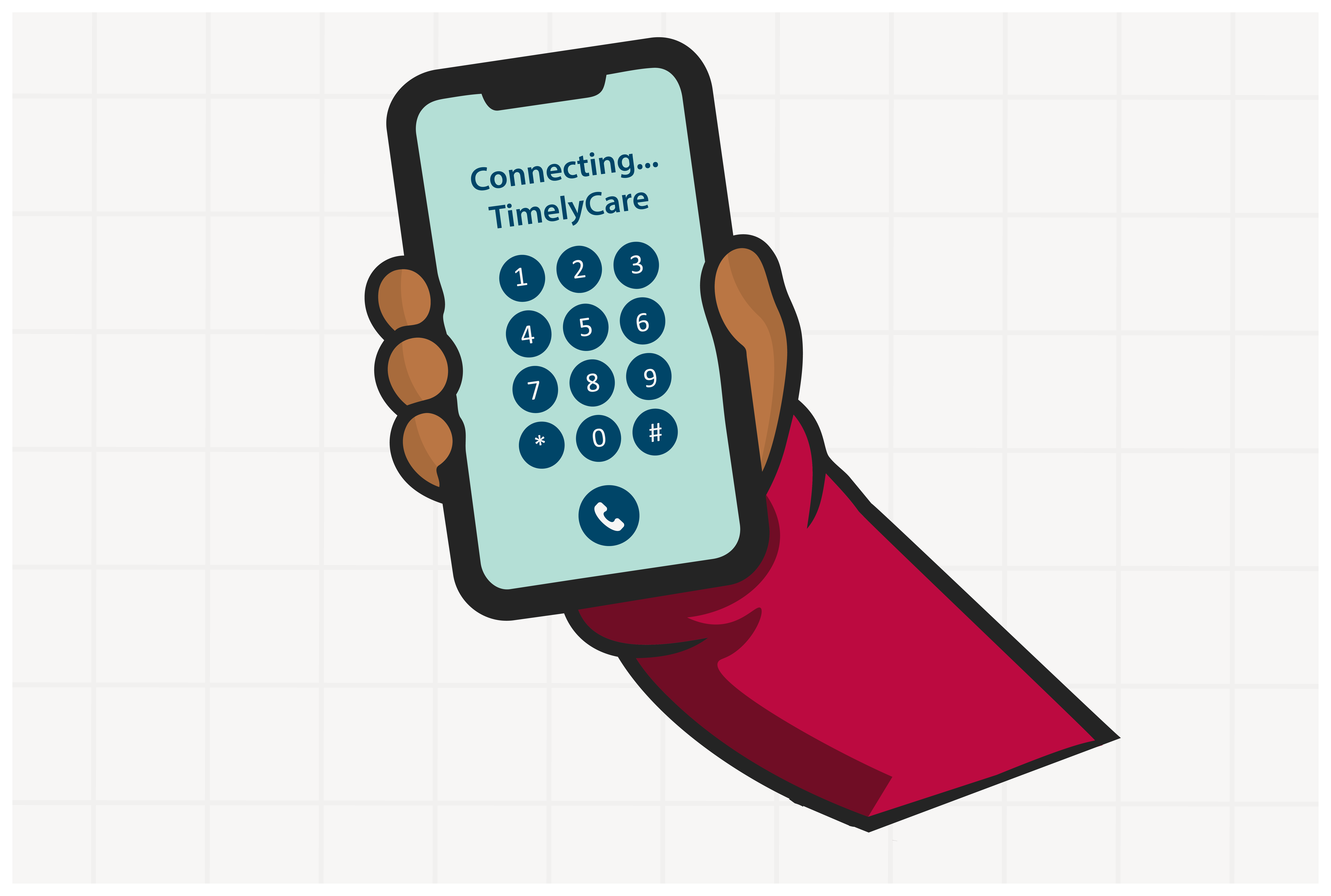
Most students ask for help
76% of WashU students seek help when struggling with their mental health. WashU MACHB 2026; N=569
Explore services offered at the Center for Counseling and Psychological Services
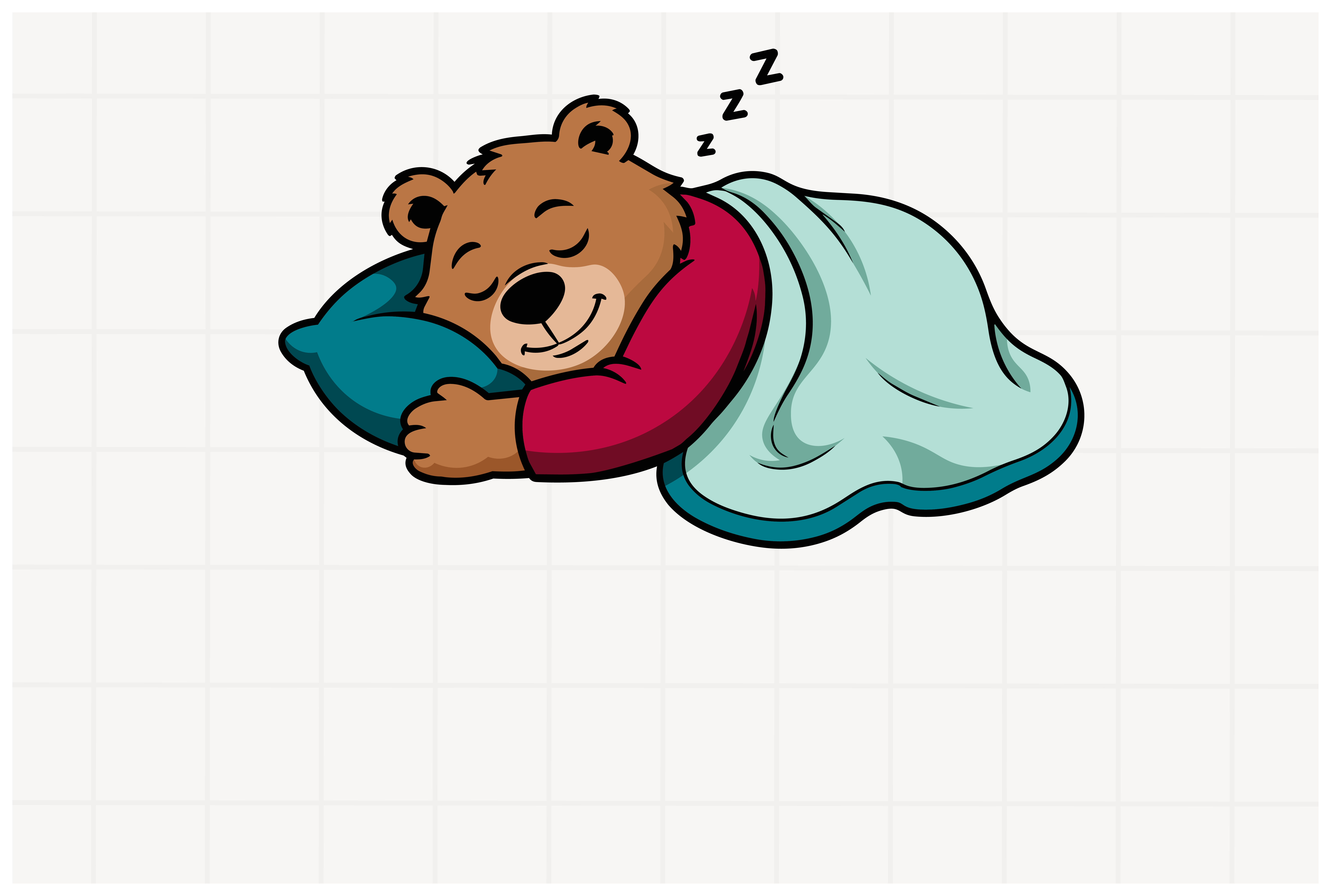
Take a paws and get plenty of rest
85% of WashU students get 6+ hours of sleep on a typical night. WashU MACHB 2026; N=569
Click here to learn more about sleep for college students.
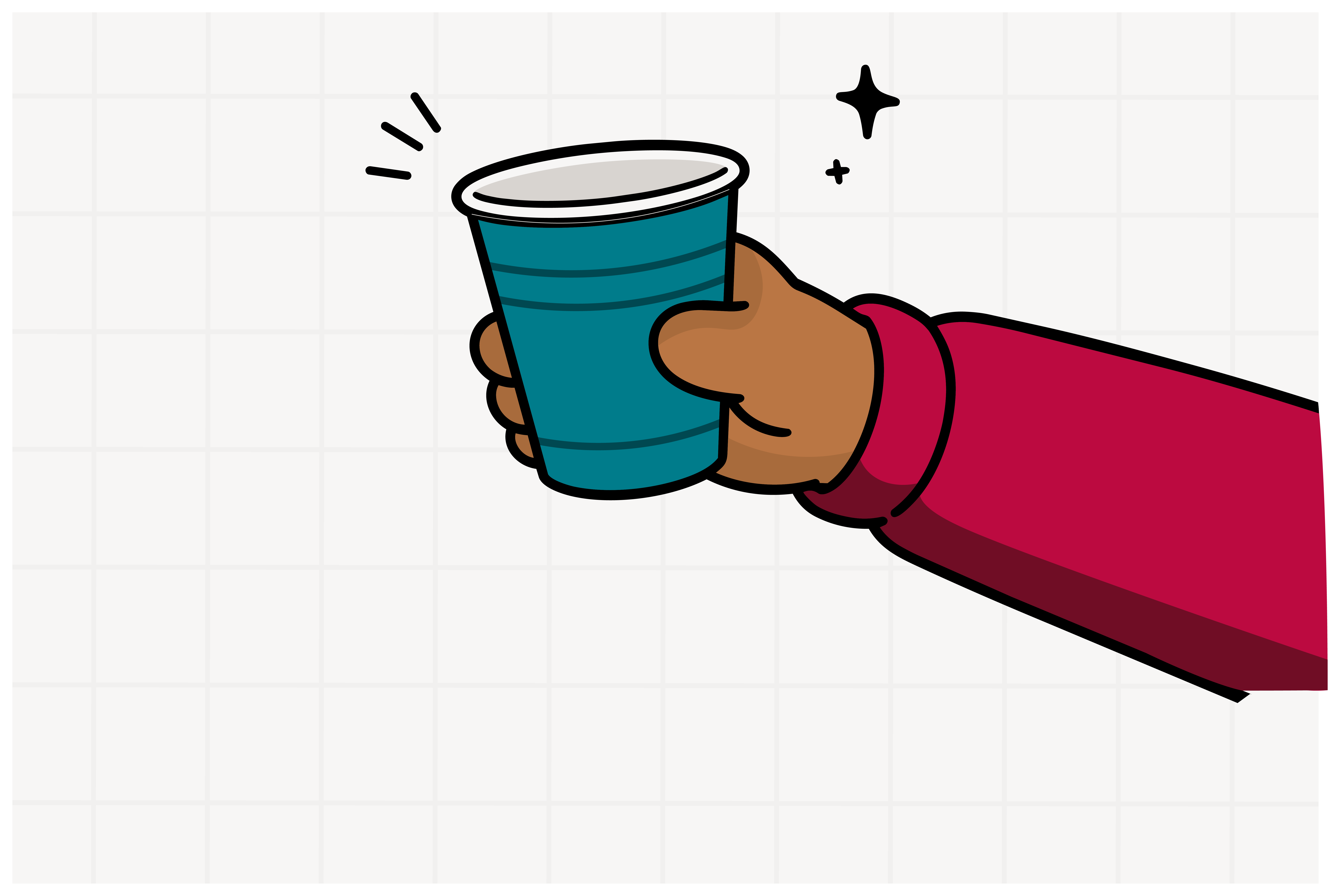
Paws Before Drinks
82% of WashU students have 0-3 drinks on a typical night out (MACHB 2026; N=569)
Click here for information about safer drinking
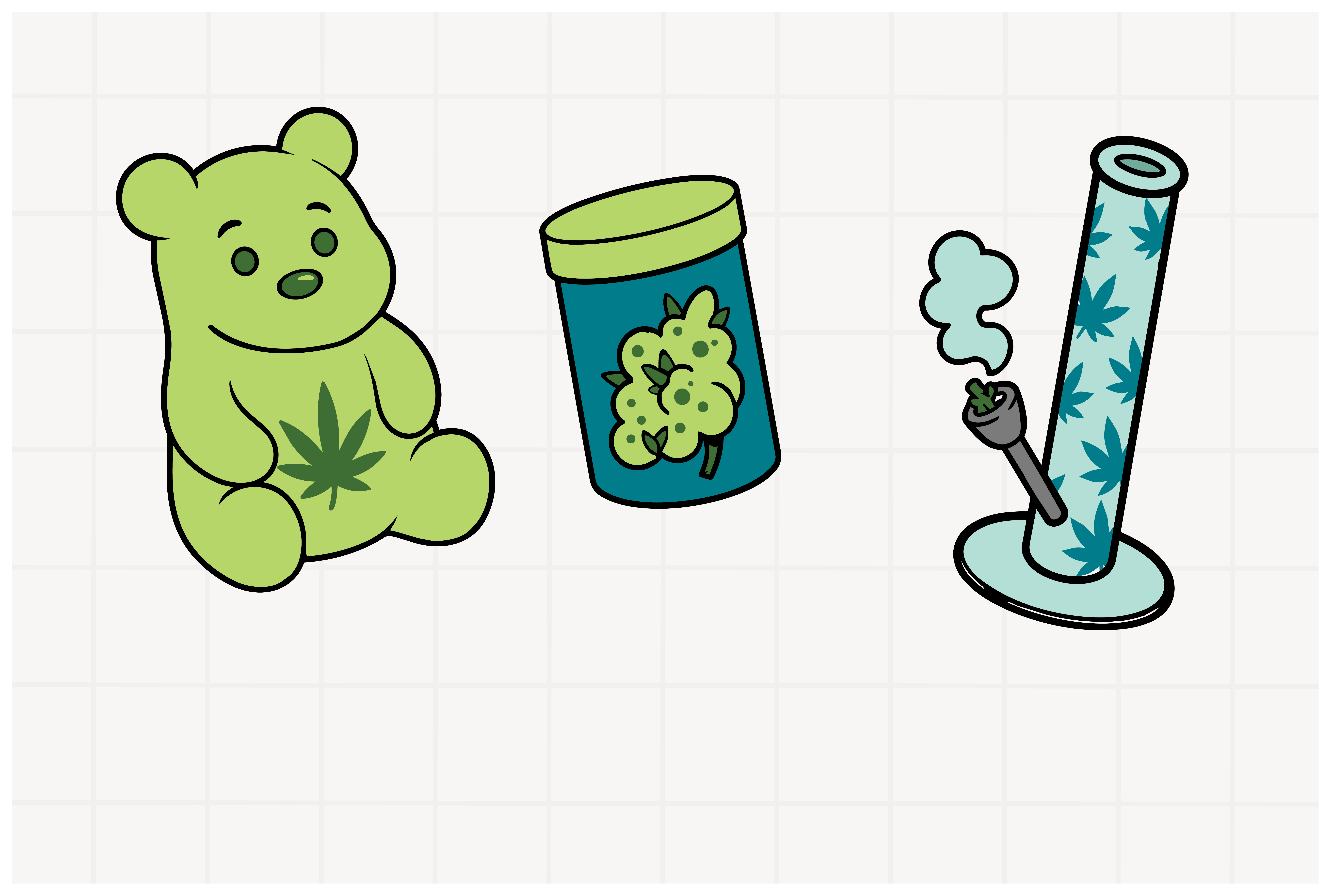
Most bears don’t consume cannabis
67% of WashU students abstained from cannabis/marijuana in the last year (MACHB 2026; N=569)
Click here for information about cannabis
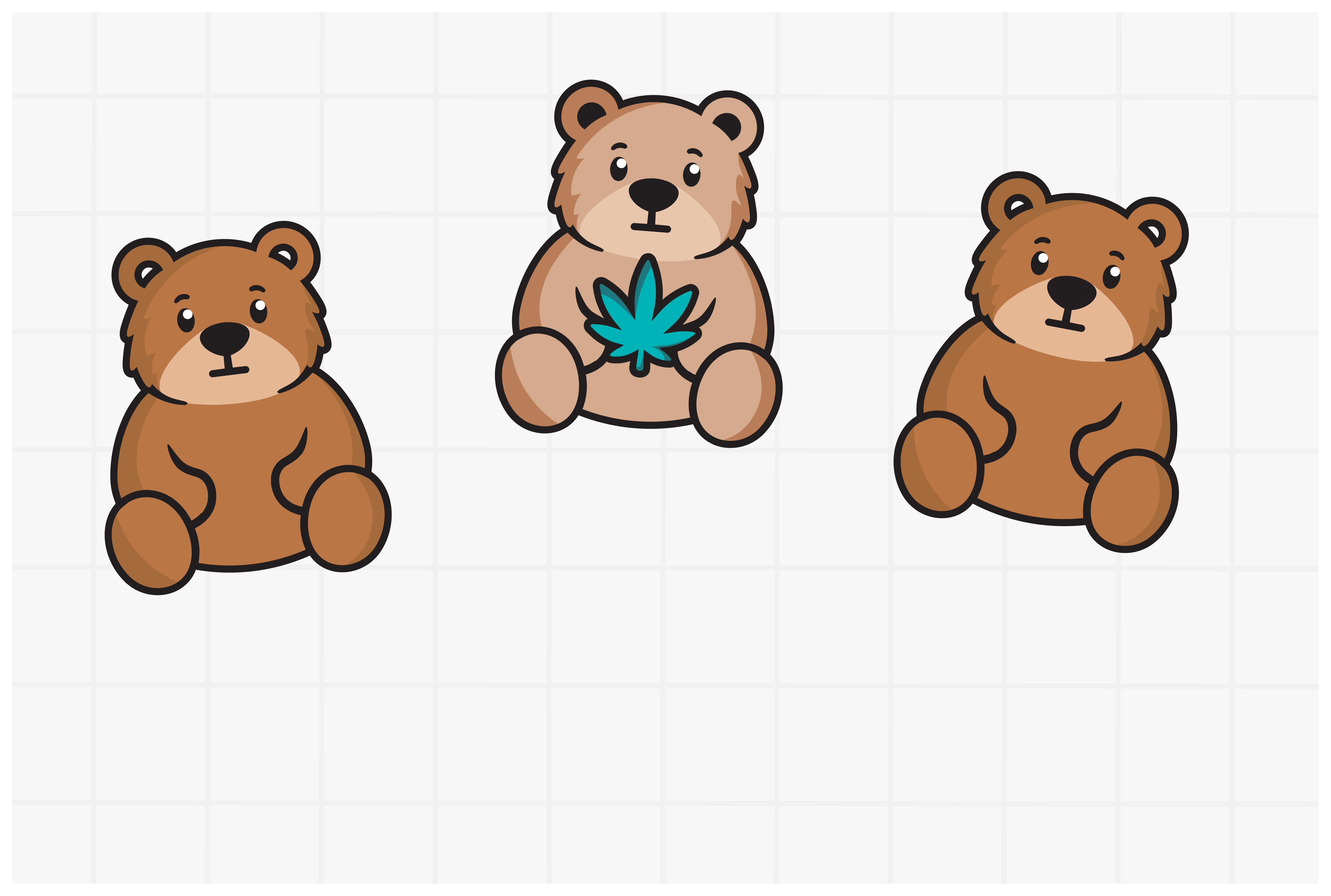
If bears consume cannabis, they do so occasionally
Among WashU students who report using cannabis/marijuana in the last year, 78% abstained from cannabis use in the last month (MACHB 2026; N=569)
Click here for cannabis safety tips and resources
FAQs
- Where do these statistics come from?
-
This data comes from WashU students! Each year, students self-report their experiences and behaviors via the Missouri Assessment of College Health Behaviors (MACHB) survey. The survey launches in the Spring semester to a random sample of students. All responses are anonymous.
Statistical analysis allows us to determine that this sampling of students is representative of the overall student population. Probability sampling is the fundamental basis for all survey research. The basic principle: a randomly selected, small percentage of a population of people can represent the attitudes, opinions, or projected behavior of all of the people, if the sample is selected correctly.
- Are these statistics representative of students at WashU?
-
These statistics may not seem accurate to you because of misperceived norms. Remember, we tend to overestimate risky behaviors and underestimate moderate/healthy behaviors. Risky behaviors are often more obvious, get more attention, and are more memorable than moderate/healthy behaviors. For example, if you walk across campus and smell cigarette smoke or see someone light up, you might immediately think to yourself ‘everyone smokes.’ But you likely passed many more people who weren’t smoking!
Additionally, our campus has been collecting data from the MACHB survey since 2020. We have seen consistent trends in the behaviors that students report, and mechanisms are in place to ensure valid data collection, such as questions to determine social desirability bias (e.g., are students just answering the way they think we want them to answer) and a thorough data cleaning process (e.g. to remove significant outliers if students are clearly not accurately reporting their behavior).
- Who can I reach out to with questions or to request campaign posters?
-
You can email Health Promotion at wellness@wustl.edu with any questions or to request campaign posters.
Connect with TimelyCare
Use the TimelyCare app for 24- hour on-demand and appointment-based medical and mental health assistance